How robust imaging, reliable electronics and expert guidance protect mission success.
Space missions rarely fail because of one dramatic error. Instead, they fail quietly through overlooked component choices or underestimated environmental stress. In a domain where telemetry alone is not enough, the right space-qualified camera becomes a powerful tool to ensure mission success.
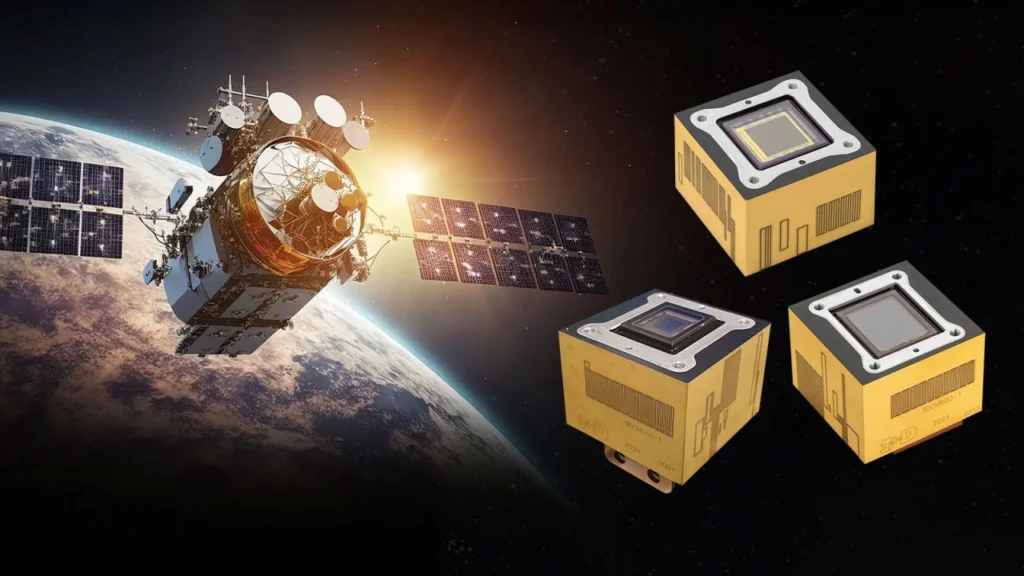
At Expando, we support system integrators in choosing rugged electronics, radiation-tolerant components and imaging systems that survive extreme conditions. By understanding how and why missions fail, we also understand how the correct technology, especially edge imaging systems, prevents those failures.
The hidden causes behind mission failure and why cameras matter
Many space missions fail not because the spacecraft stops functioning, but because it cannot see, understand, or react to its environment. These failures are often predictable and preventable, when the right camera system is selected early in the design process.
• Lack of situational awareness during critical operations
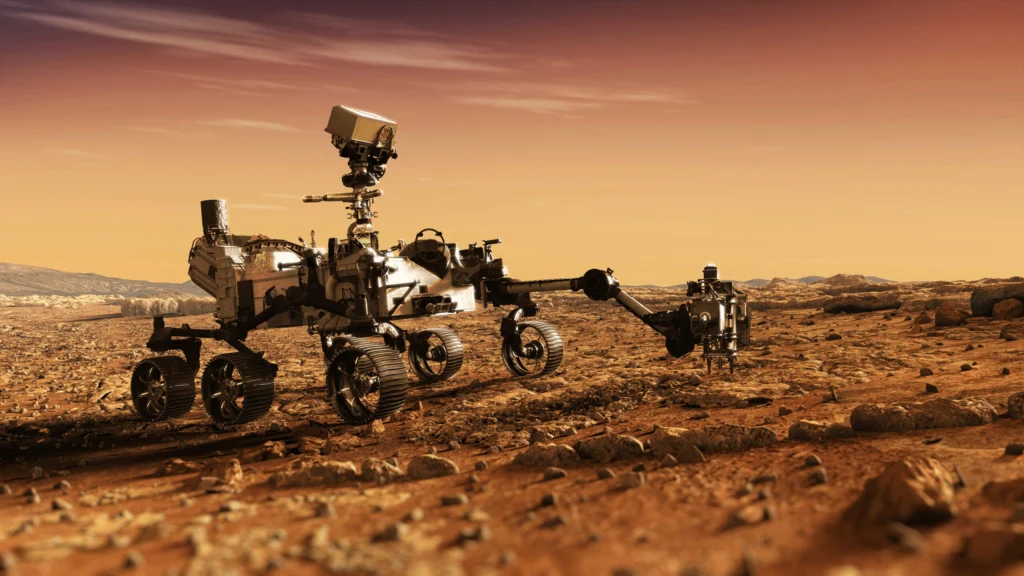
Mechanical operations such as rover movement, robotic interaction, deployments and docking all depend on vision. Without reliable visual feedback, these operations become blind.
A space-qualified camera provides continuous external awareness, enabling mechanical surveillance and confirmation that systems behave as intended. For rovers, vision is not optional, it is fundamental to mission execution.
• Inability to respond to dynamic threats and environments
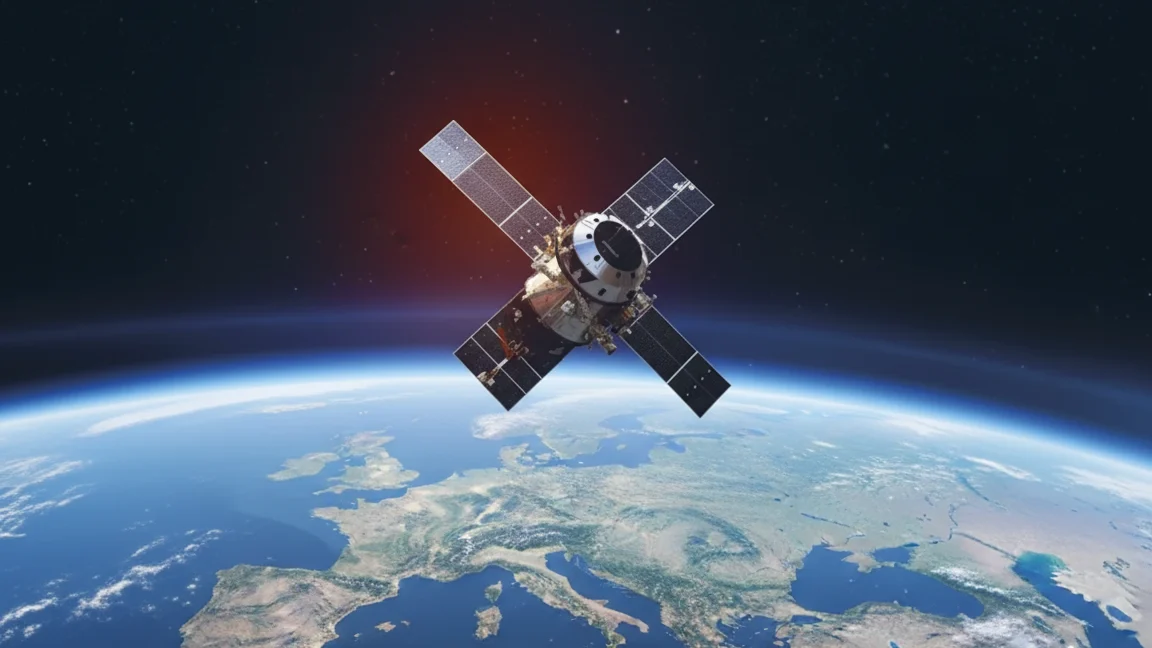
Congested orbits, debris fields, and approaching objects require immediate visual confirmation.
Camera systems provide the external vision needed to detect, assess, and respond to potential threats, enabling collision avoidance, evasive actions, or mission safeguarding decisions that telemetry alone cannot support.
• Insufficient image quality for mission objectives
Earth observation missions can fail even when satellites operate as expected, if the captured data cannot be used. Poor performance in challenging conditions such as low light, smoke, high contrast, or fast-moving scenes can render imagery ineffective.
The right space camera ensures that optical performance are matched to the mission’s real operating conditions, delivering usable, decision-ready data rather than unusable images.
• Incorrect camera selection early in the program
A mission can fail before launch due to the wrong camera choice. Oversized systems, insufficient radiation tolerance, lack of flight heritage, or poor SWaP-C alignment create unnecessary risk.
Selecting a compact, radiation-tolerant, flight-proven camera with autonomous imaging capability reduces technical, operational, and financial risk, and ensures the camera supports the mission throughout its entire lifetime.
The camera as the mission’s eye
Every mission depends on trustworthy visual data. Modern space cameras do far more than capture imagery:
- Support autonomous navigation and attitude control
- Verify solar panel deployment, docking procedures and mechanical movements
- Monitor payload behavior during critical mission phases
- Provide edge computing data for real-time decision-making
- Deliver high-reliability imaging in missions where failure simply isn’t an option
Rugged electronics, space-grade components, LVDS interfaces, and radiation-tolerant memory modules make these systems the “eyes” of a spacecraft.
Guidance, not guesswork
Expando’s role in your space mission
We are independent advisors and specialists in rugged electronics, military-grade systems and high-reliability components for space. When choosing a space camera, system integrators must balance:
- Sensor performance vs. SWaP-C constraints
- Radiation environment vs. component tolerance
- Interface requirements (SpaceWire, LVDS, etc.)
- Optical configuration and mechanical integration
- Mission life expectancy
- Memory and data-handling reliability
- Environmental qualification
Expando supports customers by guiding them to the right imaging system based on mission profile, environmental demands and integration requirements. Always with a focus on trust, expertise and simplicity.
Our role is not only to provide hardware, but to help you make the right technical decisions from the start.
*Source: 3D Plus